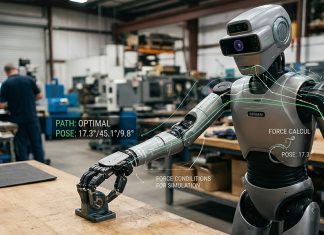
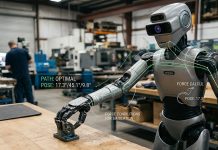















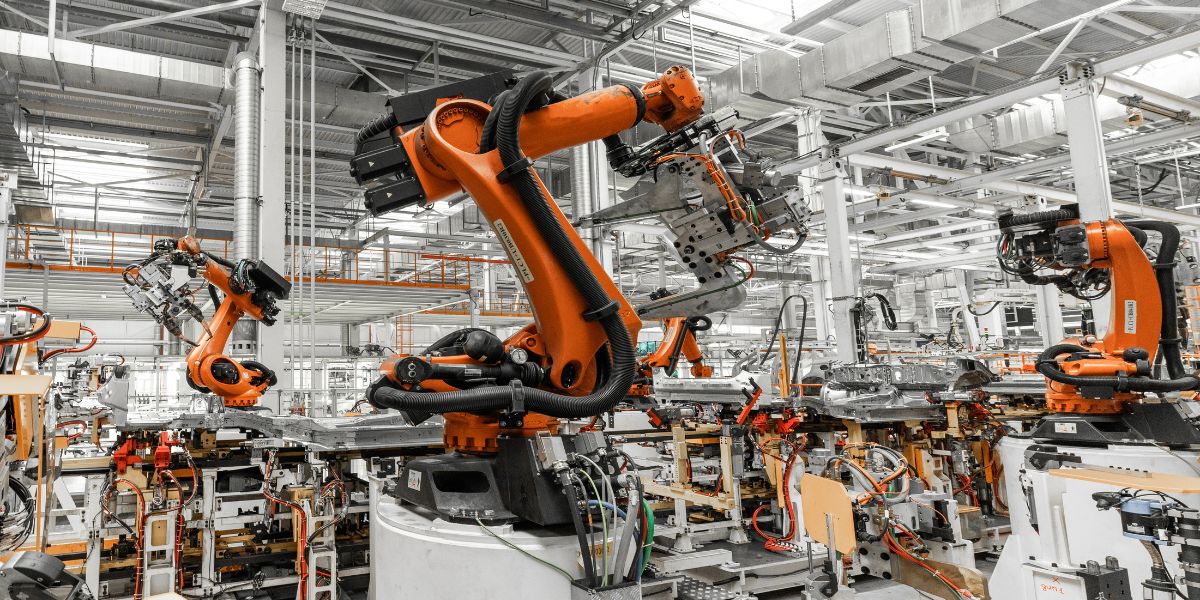
There are industrial robots that are not designed to assemble, but to disassemble. Robotic arms dismantle thousands of technological objects, from smartphones to vacuum cleaners, to recover valuable materials that would otherwise be lost: aluminum, plastic, steel, glass, and, above all, rare earths.
The goal is to fuel a circular economy that avoids new mining, considering that every ton of technological product properly recovered saves the excavation of hundreds of tons of earth.
The success of these operations can depend, in some cases, on an invisible but fundamental force: vacuum.
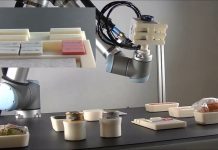
In several processes during de-manufacturing, it is necessary to deal with “uncertainty management”: while a rigid mechanical gripper needs to know the exact geometry of an object in order to grip it, some suction cups or vacuum gripping systems can instantly adapt to flat or curved surfaces, even if the object is damaged, wear and tear, or slightly off-center.
Vacuum also becomes essential for the recovery of small parts; once unscrewed, the screws are sucked up directly to prevent them from falling into the pile of materials or inside the robot, ensuring precise separation of metal parts.
Similarly, vacuum is the ideal solution for handling fragile components. To lift electronic boards (PCBs), LCD screens, or batteries glued to frames, robots use suction cups that distribute the force over the entire surface, preventing cracks.
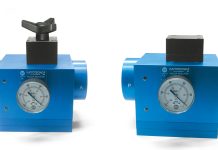
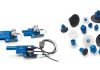
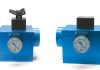
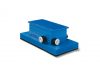
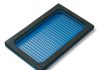
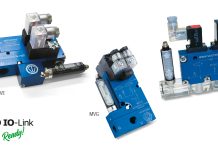
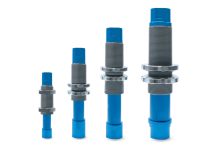
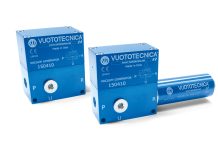
Vuototecnica can develop custom suction cups and vacuum generators for all de-manufacturing processes.
To discover solutions dedicated to sustainable automation: www.vuototecnica.co.uk.