












Wind turbine blades can easily exceed seventy meters in length and are often located dozens of meters above the ground. Inspecting and maintaining them is therefore a complex, costly, and above all risky operation for the technicians who must work at such heights.
That is why, in recent years, research has been developing increasingly innovative solutions to reduce these risks. Among these are drones, as well as robots designed to move across the surface of the wind turbine blades, performing inspections and checks without the need for human intervention, especially in hazardous conditions.
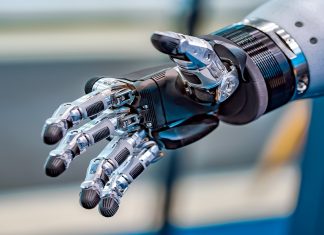
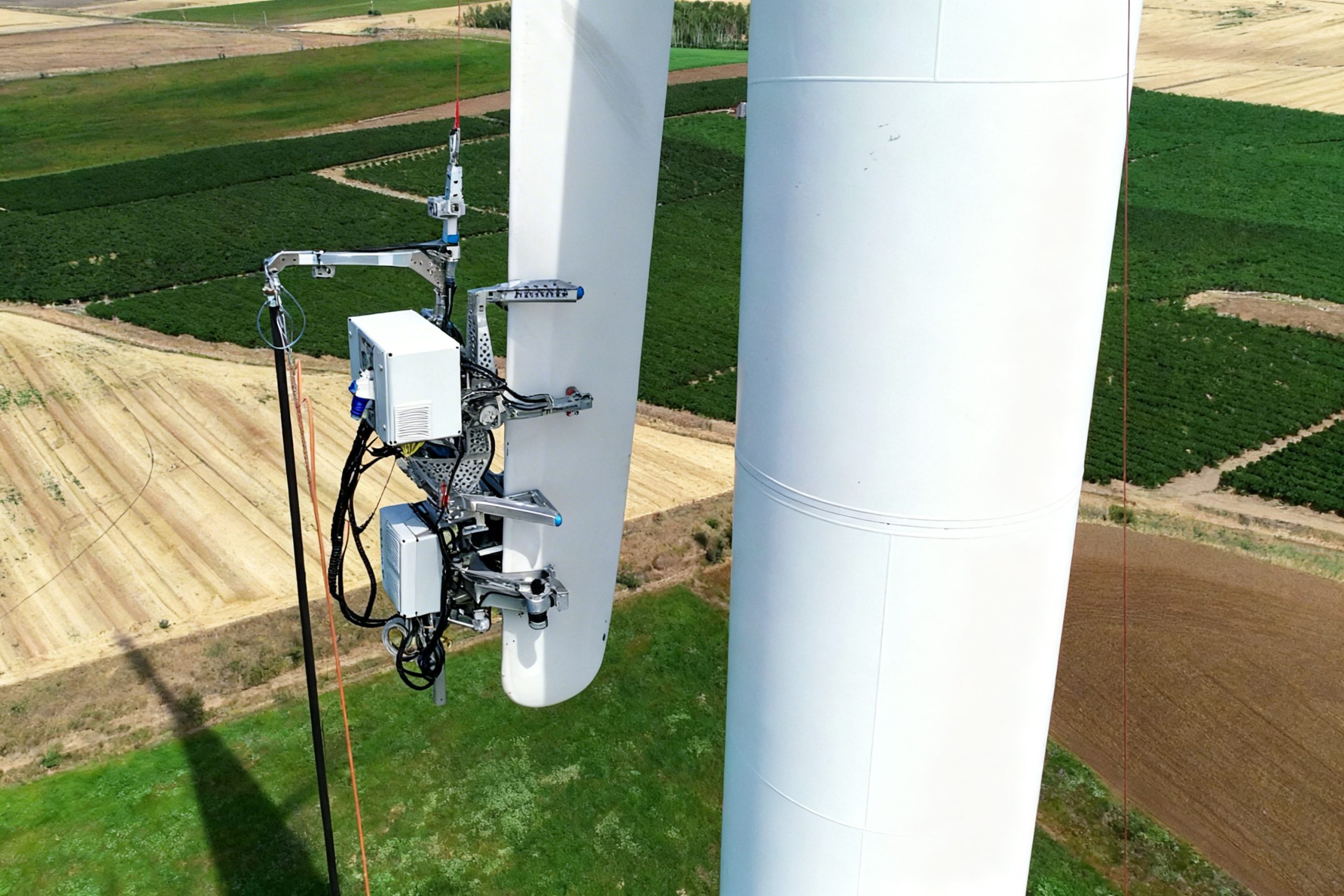
The operating principle of these robots is surprisingly simple: they move like small “mechanical spiders,” equipped with multiple articulated legs, capable of changing their configuration based on the type of surface encountered and the varying slopes of the blades.
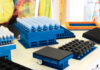
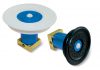
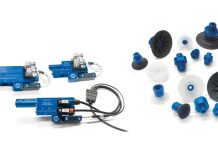
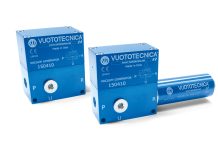
Vacuum suction cups are mounted at the ends of the “legs,” allowing them to adhere to the blade’s uneven surface while moving, even in a vertical position.
Some suction cups remain attached to the surface while others detach and are repositioned further ahead, similar to an animal’s step, demonstrating flexibility and grip. In this way, the robot can move along the blade while maintaining secure anchor points that prevent the risk of falling.
Thanks to cameras and sensors mounted on the robot’s body, it is thus possible to identify cracks, erosion, or other signs of wear on the blades. The collected information is then transmitted to ground operators, who can assess the turbine’s condition and schedule any necessary maintenance in person.
Compared to traditional methods, which rely exclusively on platforms, ropes, or cranes, these robotic solutions make inspections faster, less expensive, and above all, safer. In some cases, the robots can even operate in windy conditions that would make it difficult to use the flying drones sometimes employed for inspections.
This is an interesting example of how vacuum technology can extend far beyond its most well-known industrial applications, proving once again to be an effective solution for facilitating many human activities.