














The European automotive industry slowed down. Weak demand, growing competition, an electric transition that was less straightforward than expected, and a market going through a period of adjustment led many to speak of a crisis or, at the very least, a profound transformation. But it would be more accurate to speak of a realignment.
The automotive sector, in fact, continues to be one of the most influential in the world and, above all, one capable of introducing innovations that eventually spread far beyond the industry.
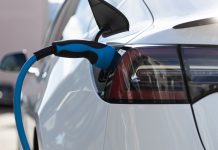
Forecasts for 2026 paint a multifaceted picture. On the one hand, the global growth of electric vehicles continues, driven by asian markets; on the other, uncertainties are rising regarding supply chains, international competition, and new market dynamics.
Europe is showing moderate growth, while the U.S. market is slowing down. The transition to electric vehicles is irreversible, but it is proceeding at different speeds depending on the region.
Added to this is another major shift: the automobile is becoming less and less a collection of mechanical components and increasingly a software platform. So-called Software-Defined Vehicles are transforming the very way vehicles are designed.

Furthermore, geopolitical tensions and restrictions on international trade are making the automotive industry’s supply chains more vulnerable to disruptions and unforeseen events. The semiconductor crisis shown just how much the industry depends on a global network of suppliers for strategic components. For this reason, by 2026, manufacturers and suppliers may strengthen strategies aimed at reducing these risks, focusing on greater vertical integration, closer collaborations along the supply chain, and bringing part of production closer to destination markets.
The race for solid-state batteries is entering a concrete phase. Several manufacturers are moving beyond the pilot line stage and approaching industrial-scale production. Questions remain regarding costs, actual performance, and adoption timelines, but experimental vehicles are already beginning to hit the roads. 2026 could mark a decisive turning point in determining whether this technology will truly be able to rival or surpass lithium-ion batteries.
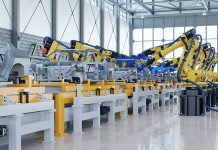
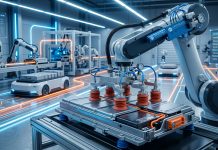
But as cars change, so do manufacturing processes. The new challenges aren’t limited to batteries, sensors, or artificial intelligence. They involve the need to produce lighter components, sophisticated materials, and complex geometries while maintaining high levels of precision and speed.
That’s why the automotive sector remains a key market for industrial vacuum technology.
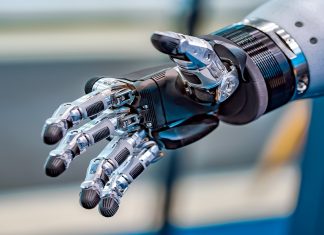
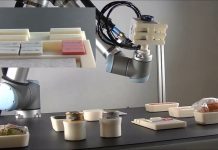
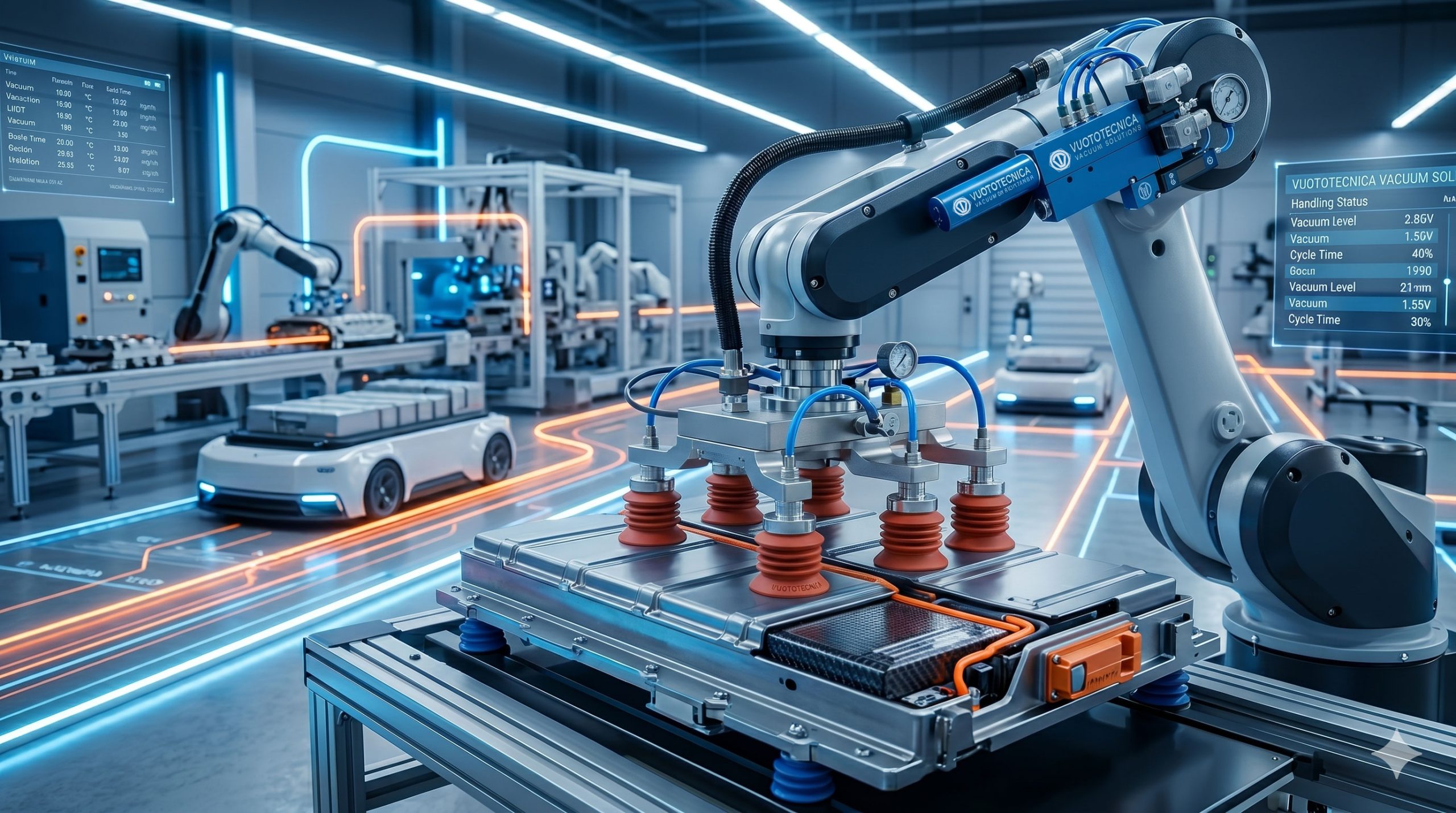
The automotive industry has been using vacuum systems for years in numerous applications: handling sheet metal, glass, and composite materials; handling delicate components; automated assembly; handling plastic parts; robotic operations; and high-precision manufacturing processes. The growing use of lightweight materials and components, such as new batteries designed to reduce weight and fuel consumption, requires gripper systems that are increasingly flexible and adaptable.
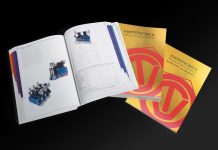
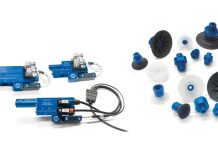
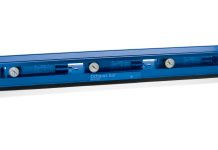
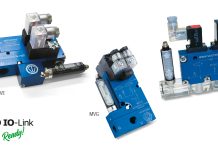
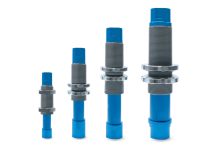
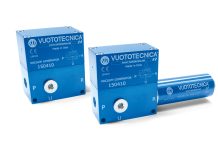
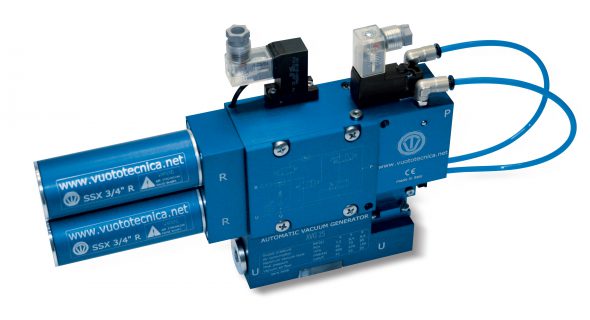
The Vuototecnica catalogue features solutions developed to meet these needs: suction cups for different surfaces, modular systems, vacuum generators, and components designed to integrate into modern automation processes.
It is well known that the most interesting ideas, and with them, new solutions, emerge during times of change. For the world of vacuum technology, this continuous evolution, which began centuries ago, seems far from over.