


















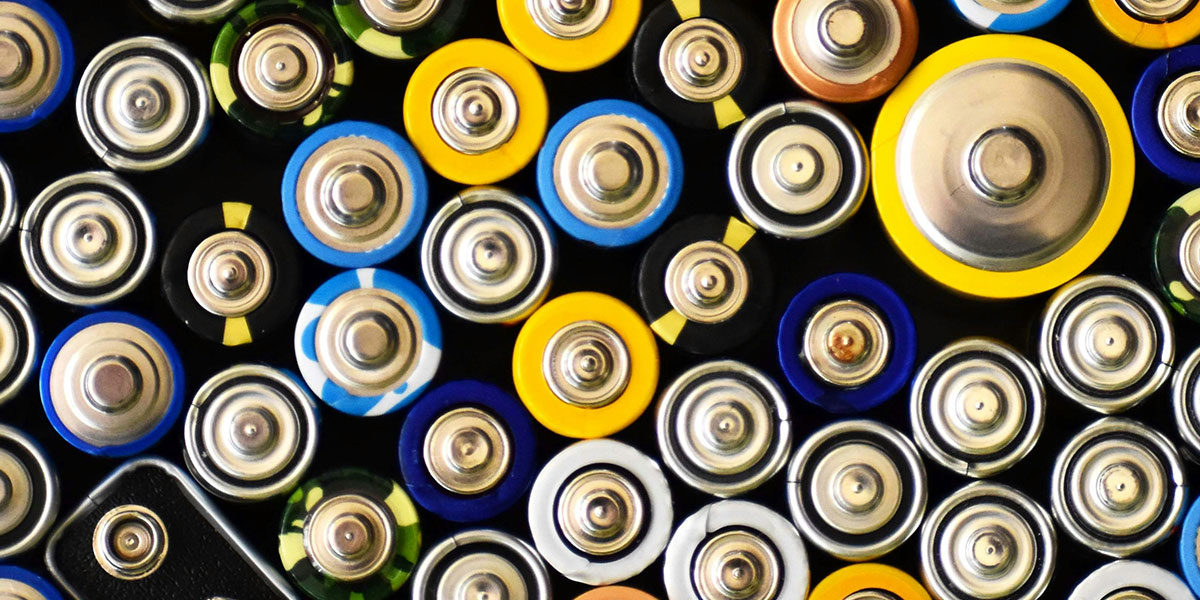
When we think of a battery cell, we probably picture a button cell. That’s just one possibility.
In lithium-ion batteries used in automotive and energy storage systems, there are primarily three formats: cylindrical, prismatic, and pouch.
They differ in shape, casing type, dimensions, and rigidity. For those designing an automated line, however, another factor also changes: the way those cells can be picked up, moved, and positioned.
Cylindrical cells most closely resemble the traditional idea of a battery. They have a rigid casing and good mechanical strength, but batteries can contain very large numbers of them. In automation, therefore, the main challenge lies in the speed at which they must be picked up, oriented, and positioned with precision. When the components to be handled are small and numerous, even a few millimeters and a few moments per cycle become critical.
Prismatic cells, on the other hand, resemble small rectangular prisms. They are generally larger and enclosed in a rigid casing, often made of aluminum. Their flat surfaces can facilitate gripping, but their weight, dimensions, and the accelerations during transfer still require a proper assessment of the available space, the vacuum level, and the stability of the part.
Then there are pouch cells, perhaps the most intriguing to look at. At first glance, they may resemble a flexible package: instead of a rigid container, they use a thin laminated casing made of aluminum and polymeric materials. This reduces weight and bulk, but makes the cell more sensitive to handling and external stresses, as well as to blockages when vacuum gripping. The surface can deform, and the load must be distributed appropriately.
Three formats, therefore, and very different behaviors. What matters is the shape, the available surface area, the rigidity, the point at which gripping is possible, and what happens during movement.
At Vuototecnica, we compare samples that, despite having similar weights and dimensions, react completely differently to vacuum: a rigid surface, a flexible package, or a delicate component each require different evaluations.
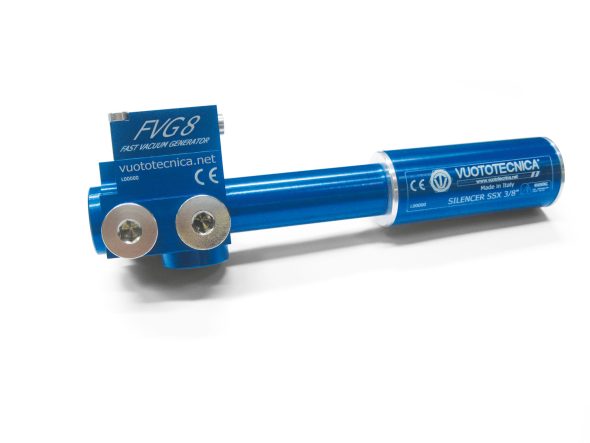
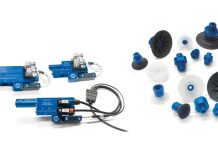
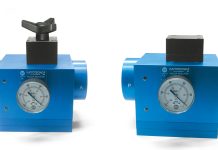
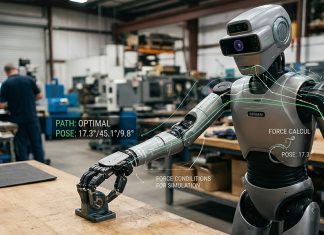
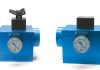
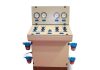
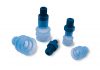
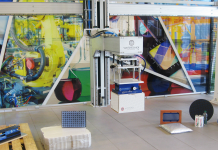
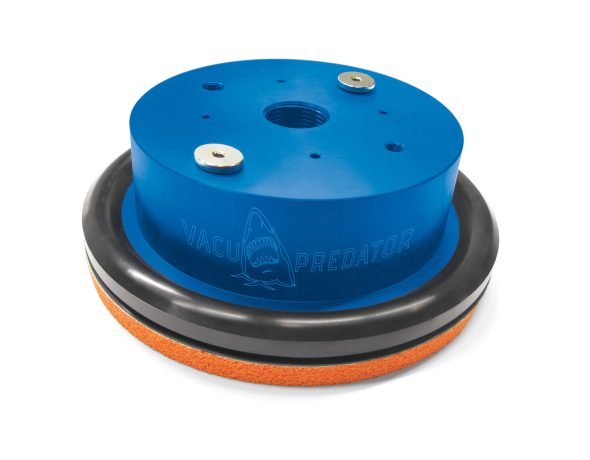
When geometries or gripping surfaces change on the same production line, more flexible systems also come into play. Octopus, for example, was designed specifically to adapt to different objects without requiring a new gripper every time; Vuototecnica’s shut-off valves, on the other hand, can isolate areas that lack a surface to adhere to, while keeping the rest of the system operational. The FVG single-stage vacuum generator with ejector (Fast Vacuum Generator) ensures flexibility and reliability in gripping, at incredible speeds. Bellows-type suction cups compensate for gripping height while ensuring stability. Vacupredator suction cups, designed for highly flexible surfaces, grip firmly without deforming the product’s packaging.
Even in the battery sector, therefore, it would hardly make sense to look for a generic “cell suction cup.” The actual cell comes first: cylindrical, prismatic, or pouch, with its specific dimensions, casing, and the cycle it must undergo. From there, the grip can be designed and, when necessary, tested on a sample.
To learn more, please contact Vuototecnica’s designers at www.vuototecnica.net.