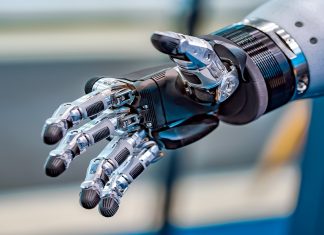
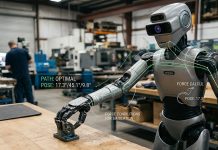



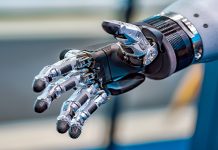










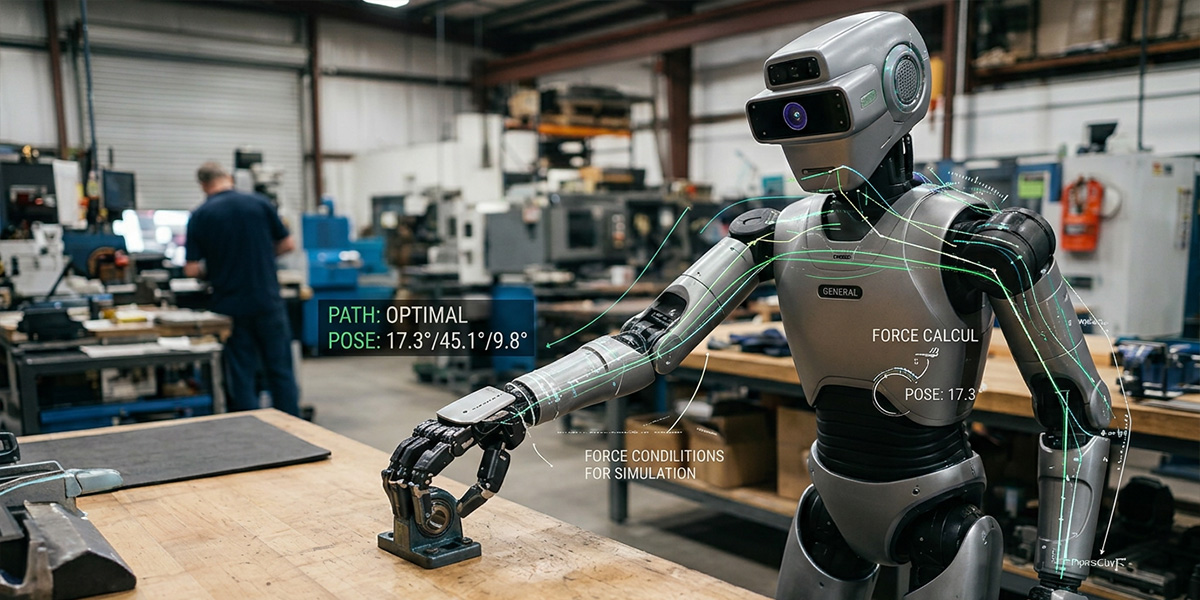
A humanoid robot enters a work environment, identifies an object, moves toward it, and picks it up. Seen from the outside, the action seems simple. In reality, between the moment a camera recognizes the part and the moment the robot manages to lift it, there is a rather sophisticated sequence of decisions.
In traditional automated production lines—without humanoid robots—much of the problem is solved upstream. We know the component, we know where it will end up, and we can design the gripping system for that specific cycle. When we ask a robot to operate in a less structured environment, faced with different objects or ones arranged differently each time, that certainty vanishes.
Computer vision allows the system to recognize what is in front of it and derive information about its shape, position, and orientation. The next step, however, is the decisive one: identifying an area from which a grip can be made.
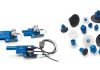
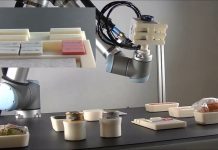
This is where vacuum technology demonstrates one of its most interesting features. Flat, curved, flexible surfaces, or those at slightly different heights can be handled by selecting suction cups, compensators, and gripping systems suited to the situation.
Robotics research has long focused precisely on the ability to calculate grip points. Today, there are 3D vision systems that, when faced with different products arranged randomly, identify the most favorable position for gripping and transmit the required movement to the robot.
However, identifying a usable surface is only the beginning. A suction cup must actually be able to adhere. Roughness, curvature, a hole, porosity, or even a slight difference in the approach angle can affect the grip. Even a system that has calculated the gripping point must therefore verify what happens at the actual moment of contact.
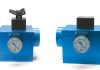
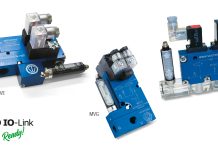
With vacuum tools, it is possible to confirm that the required vacuum level has been reached and thus give the system the go-ahead to continue the movement. If the grip is insufficient, the robot can choose not to lift the part or attempt a new positioning, saving time and preventing failures.
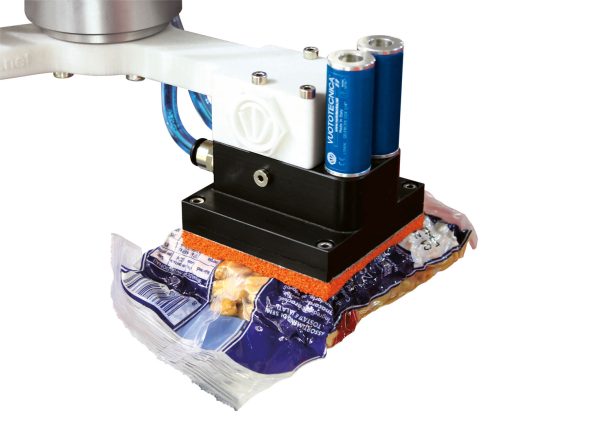
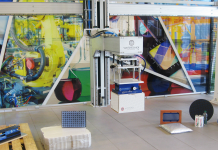
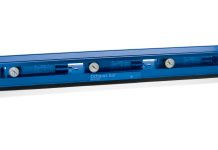
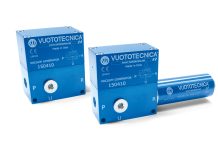
Systems such as Vuototecnica’s Octopus, for example, would allow it to handle objects of varying shapes and sizes even when only part of the suction area is covered. This is an interesting principle when the part’s position and geometry are not always the same.
The more robots are called upon to work outside of repetitive cycles, the more this ability to adapt will become part of the problem to be solved.
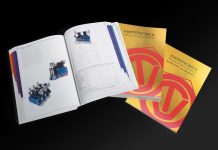
To learn more about Vuototecnica’s products, you can download the catalogue at www.vuototecnica.net.