








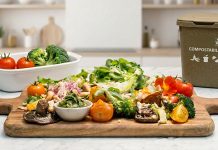





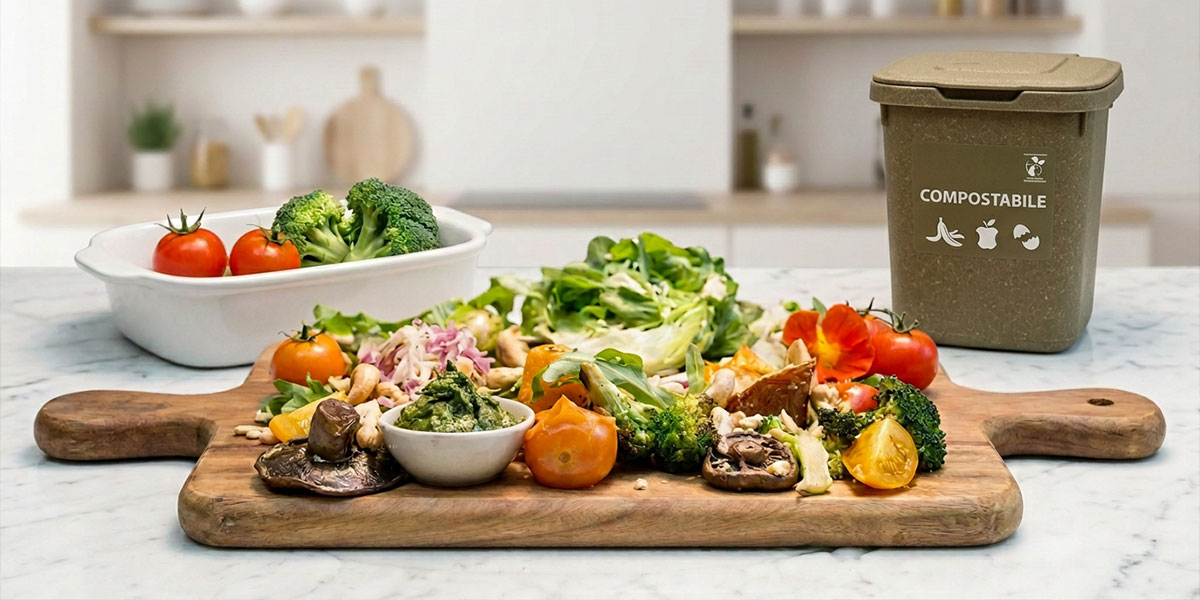
In 2024, 57.9 million metric tons of food waste were generated in the European Union. That amounts to about 129 kilograms per person per year. More than half comes from households: 69 kilograms per person. The rest is divided among the food service industry, distribution, and primary production. The European Commission estimates the economic value associated with this waste at approximately 132 billion euros per year.
These numbers are hard to visualize, precisely because they are so enormous. However, they reveal a very concrete reality: every day, a portion of the food that is produced, transported, refrigerated, packaged, and purchased loses its value before it is consumed.
Reducing waste means taking action at many points along the supply chain. One way to do this is to buy time. Even a few extra days of shelf life can affect the amount of product that reaches the retail outlet or the consumer while still usable, especially when it comes to fresh and perishable foods. And this is where vacuum comes into play.
The best-known example is vacuum packaging. Before sealing, most of the air inside the package is removed. This can slow down oxidation and the growth of aerobic microorganisms, helping to extend the shelf life of many foods. Meat, cheese, and refrigerated foods have utilized this principle for long time.
It’s a technology we’re familiar with in our own kitchens. Home vacuum sealers have made it commonplace to place food in a bag, extract the air, and seal it, while in professional catering, vacuum technology is integrated into preparation and cooking techniques, where it helps manage timing, portion sizes, and storage.
However, vacuum technology can also be applied before packaging.
For example, there is a technique used primarily for water-rich foods called vacuum cooling. By reducing the pressure inside a chamber, some of the water in the product evaporates at a lower temperature and removes heat from the food. Cooling can thus occur very quickly. This technology is used for certain leafy vegetables and mushrooms and has also been studied for baked goods. Rapid cooling can extend the product’s shelf life.
Vacuum impregnation, on the other hand, uses a vacuum to remove some of the air present in the porous structure of fruits and vegetables; when the pressure returns to normal, an external solution can penetrate the food more easily. In this way, substances can be introduced to improve shelf life, texture, or nutritional value.
Vacuum drying facilitates the removal of water at lower temperatures than conventional processes, helping to better preserve color, aroma, and heat-sensitive components. Finally, freeze-drying uses a vacuum after freezing, causing the water to sublimate and resulting in foods that are highly stable over time.
Of course, a vacuum does not make food last forever and does not replace the cold chain, hygiene, or packaging design. Every food reacts differently and requires specific parameters; however, given nearly 58 million metric tons of food waste in a single year, extending the shelf life of what we produce seems like a rather urgent matter.