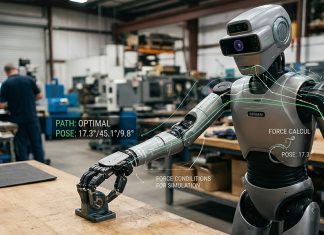
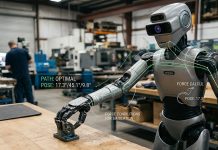













In May 2026, on the airfield at Haneda Airport in Tokyo, a robot just over one meter tall pushed a cargo container toward the loading ramp of a Japan Airlines plane, waving to a colleague off-camera. This isn’t a scene from a science fiction movie: it’s the start of a real-world trial conducted by JAL Ground Service in collaboration with GMO AI & Robotics, using humanoid robots manufactured by the Chinese company Unitree. These robots stand about 130 centimeters tall and have a battery life of two to three hours before needing to be recharged. The project lasts until 2028 and stems from a very real problem: the labor shortage in Japan’s airport sector, exacerbated by a record influx of tourists and a steadily shrinking workforce.
To be precise, it should be noted right away that the robots at Haneda do not lift luggage using vacuum technology. In the current phase of the trial, they push carts and containers along the runway—a task that requires more balance and physical strength than a fine grip. This is a detail worth clarifying, because the real area where vacuum technology can come into play in baggage automation will be elsewhere: in robotic loading systems inside the terminals, where automated arms must lift—not just push—suitcases of completely different shapes, weights, and levels of rigidity.
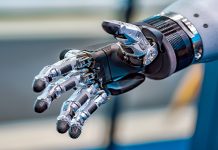
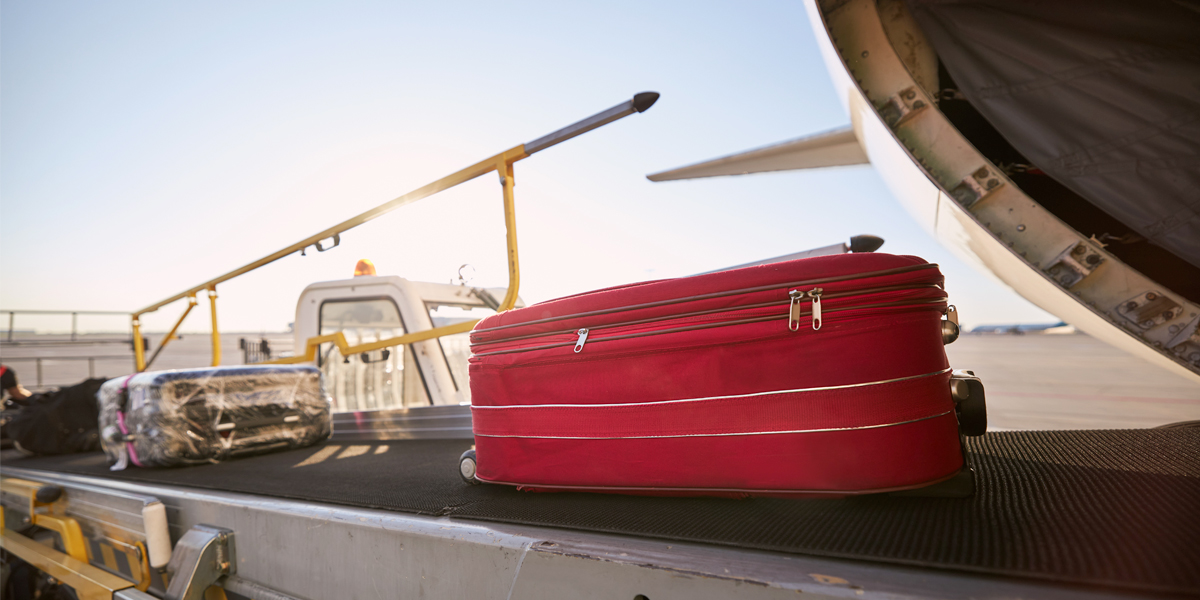
And this is precisely where vacuum technology could prove its worth. Lifting a piece of luggage is not like grasping a box: a hard-shell suitcase, a soft bag, and a misshapen backpack have very different surfaces, porosity, and handling characteristics, and a mechanical gripper system struggles to adapt to this variety without risking damage to the contents or losing its grip mid-motion.
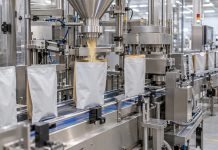
Vacuum grippers, on the other hand, adapt by definition to the surface they encounter. The right combination of vacuum level, suction flow rate, and a soft material ensures a secure grip even on non-rigid materials, from fabrics to irregular surfaces. It’s no coincidence that manufacturers of vacuum components are already producing grippers specifically designed for handling bags and pouches in logistics applications.
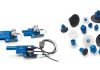
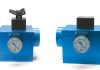
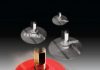
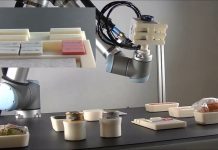
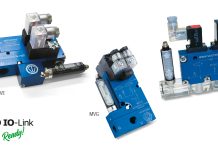
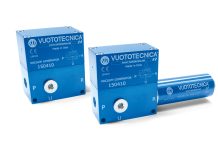
This is the same principle that Vuototecnica has long applied to mobile robots and AGVs used in automated material handling, where compact vacuum generators and multi-gripper systems like Octopus allow a single gripper to adapt to objects of different shapes and sizes, without the need for reconfiguration between loads.
At an airport, where every piece of luggage is unique and time is of the essence, this adaptability will be the key to making automation truly viable—far beyond the mere novelty of a robot waving goodbye.