













In July 2026, a coalition of European trade unions, led by EFFAT, EPSU, and EFBWW, with technical support from ETUI and ETUC, presented a draft directive on heat exposure at work to the European Parliament, with the aim of having it included in the upcoming Quality Jobs Act. The text proposes binding temperature-based thresholds. Depending on the intensity of the work, activities should be slowed down or halted, with mandatory breaks, access to shade, and water guaranteed by law. Behind this demand lie stark statistics: according to ETUI data, 130 million workers in Europe are exposed to heat stress each year, resulting in approximately 277,000 work-related injuries and 230 deaths linked to this phenomenon.
One detail that the #TooHotToWork campaign is keen to emphasize is that the risk does not only affect construction sites and sun-baked fields, but is also increasingly affecting warehouses, production lines, and poorly ventilated indoor environments, where the heat compounds an issue that exists regardless of temperature: the physical strain of manual handling. Lifting, moving, and stacking for hours becomes more risky when the body is already under thermal stress: fatigue sets in sooner, recovery times lengthen, and the attention threshold drops precisely at the moments when a heavy load would require the most control.
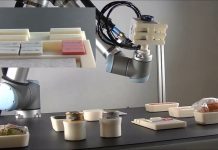
This is where the automation of material handling ceases to be merely a matter of productivity and becomes, first and foremost, a safety measure. A vacuum manipulator that lifts a slab, a bag, or a panel in place of an operator not only reduces cycle times but also eliminates precisely the kind of physical effort that heat makes more dangerous.
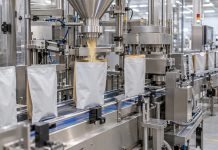
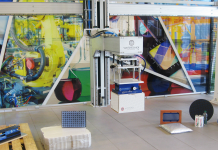
Vuototecnica is active every day in a wide variety of settings. The Octopus system, for example, with its soft seal that adapts to bags of rice or other bulk materials, replaces manual handling of loads that would otherwise require repeated exertion for hours on end in a warehouse or on a packaging line.
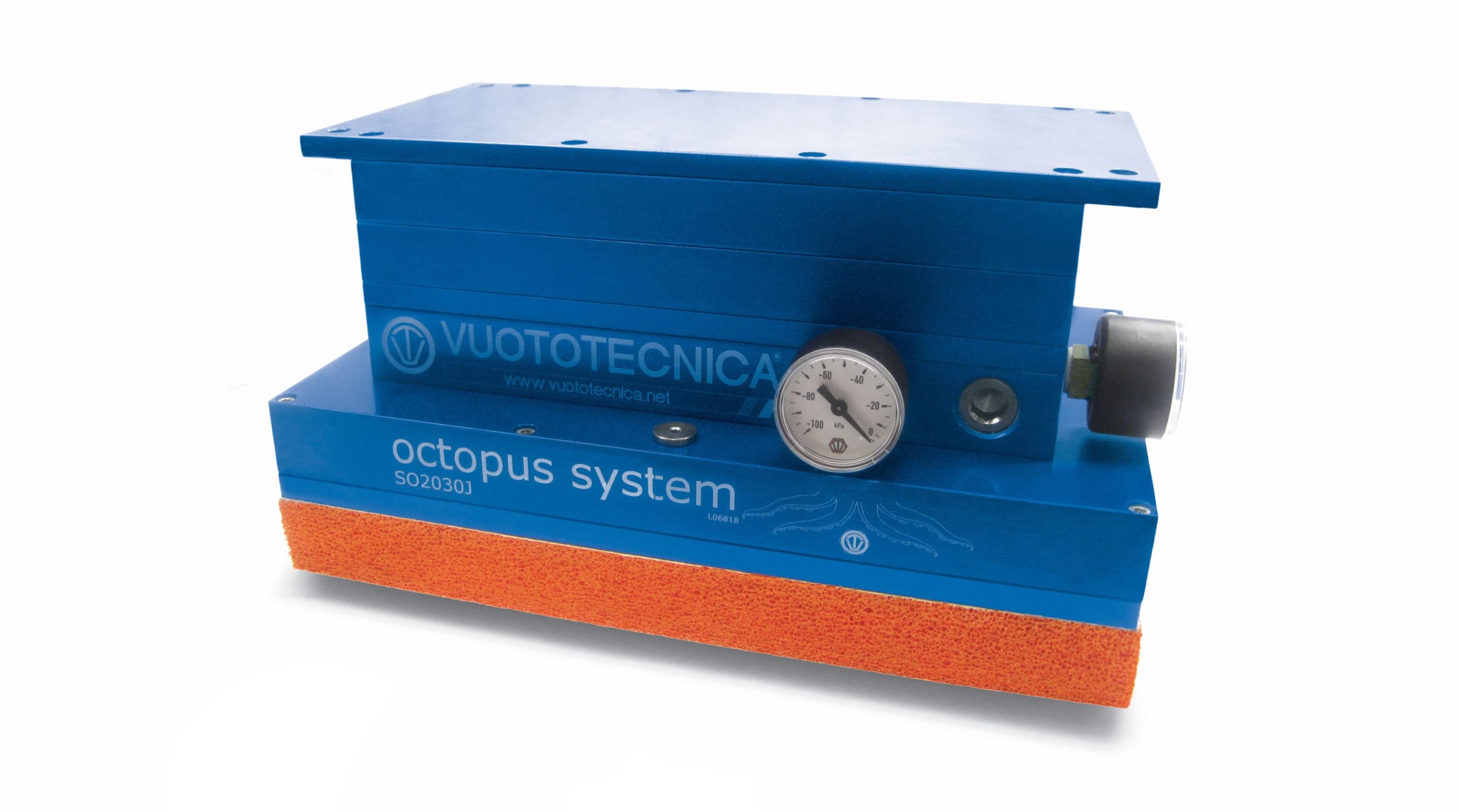
Wherever a load has a surface that the vacuum can grip, vacuum-assisted handling eliminates the most critical moment of physical effort without requiring complex system configurations or manual intervention.
In a summer when the European debate is focused on breaks, temperature thresholds, and workers’ rights, it is worth remembering that part of the solution is already embedded in the principles of vacuum engineering.